AI Was Supposed to Make GTM Easier. What Went Wrong?
AI was meant to simplify GTM work—but often made it harder. Jared Robin explains what teams are missing and how human-native AI fixes it.

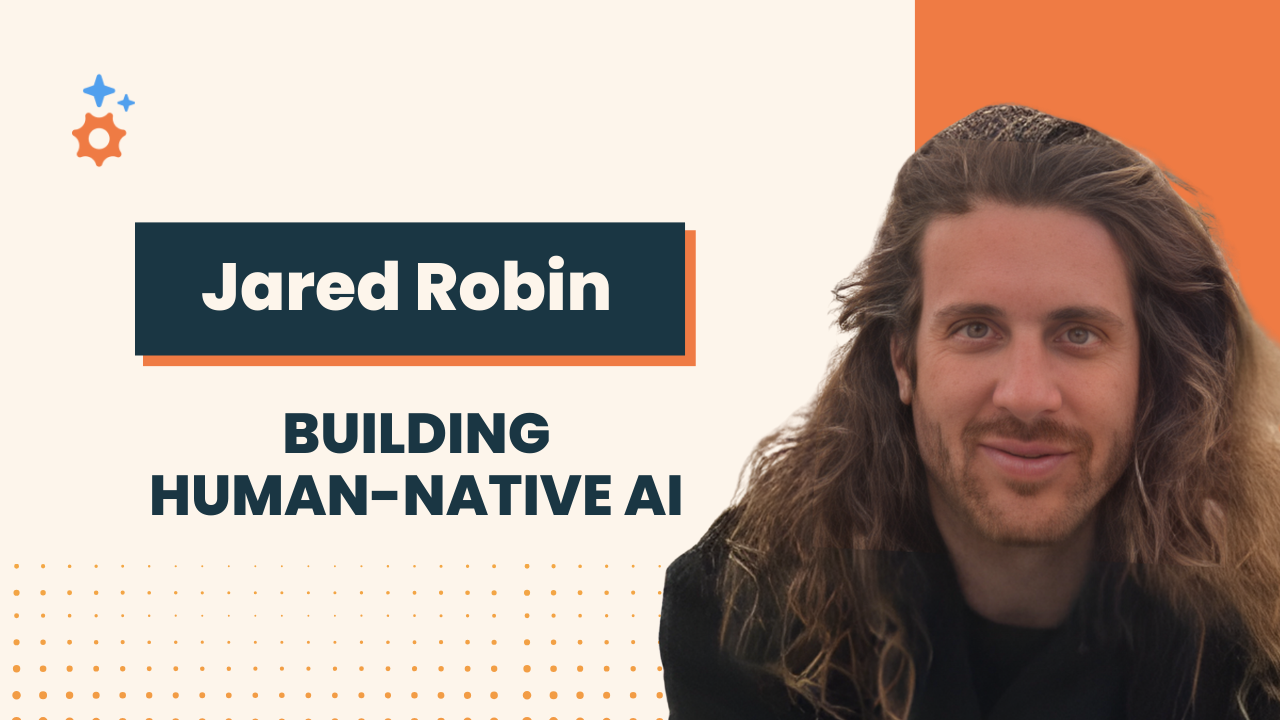
Jared Robin is the cofounder of RevGenius, a global community of more than 60,000 GTM professionals. That vantage point gives him a rare signal into how AI is actually showing up in the day-to-day lives of sales, marketing, rev ops, and customer success leaders. Not the hype version, but the human one. Listen to our conversation for the PROMPTED podcast to see where AI is headed and what that future means for go-to-market teams who are already stretched thin.
2025 As the Tipping Point
Jared framed 2025 as a real inflection point. AI stopped being something teams experimented with and became something they were mandated to use. That shift happened alongside a broader economic change. Companies moved from growth at all costs to growth at the lowest cost, and AI became the lever leadership expected to pull.
The problem is that many of those expectations landed on the wrong people.
Instead of making work easier, many AI tools added complexity. New workflows. New integrations. New roles like GTM engineers just to keep systems running. As Jared put it, AI ended up placing an extra tax on teams that were already under pressure to do more with less.
It's not surprising, then, that so many AI pilots failed. Not because AI lacks power, but because it was often introduced without clear strategy, strong foundations, or consideration for the humans expected to use it.
The Shift Toward Human-Native AI
One of Jared’s strongest predictions is that 2026 needs to be the year AI becomes human native.
Human-native AI isn't about dumbing tools down; it's about flipping the burden. Instead of forcing people to learn complex systems, the system absorbs the complexity. The interface feels natural. The workflow aligns with how people already think and work. Users spend their time making decisions and being creative, not configuring tools.
In 2025, humans were asked to become AI-native. In 2026, that equation has to reverse.
This shift matters deeply for GTM teams. Most revenue leaders are never going to build agents or complex workflows themselves, and they shouldn't have to. Their value is not in orchestration. It's in judgment, creativity, and strategy.
Why Foundations Still Matter
One theme that surfaced repeatedly was the importance of fundamentals. AI doesn't fix broken data, unclear processes, or fuzzy strategy. In many cases, it simply exposes those problems faster.
Jared pointed out that many teams are excited about AI while still struggling with basic issues like duplicate records, incomplete data, or unclear definitions of their ideal customer profile. Without addressing those foundations, AI can't deliver exponential gains.
In fact, AI can become a distraction if teams chase tools before fixing the root problems that have always held them back.
Creativity As the Real Differentiator
As AI becomes easier to build with and more accessible, Jared sees creativity emerging as the true competitive advantage. When everyone has access to similar tools, the difference comes from how clearly a team understands its customers, how thoughtfully it defines problems, and how creatively it approaches solutions.
He drew parallels to companies like Salesforce, Netflix, and Uber. None of them won by building a slightly better version of what already existed. They changed the rules, reframed the problem, and created new categories that expanded what was possible.
That same mindset applies to AI. Tools and tactics will be copied quickly. What lasts longer is a clear point of view and a deep connection to real human pain.
Building for Humans, Not Just Systems
If you're building or buying AI-powered tools, ask whether they genuinely make work easier for the people using them.
Human-native AI removes steps. It reduces cognitive load. It builds confidence instead of anxiety. It helps people focus on the parts of their job that actually require human judgment.
As Jared summed it up near the end of our conversation, if you're going to build a product for the future, it needs to be human-native.
For GTM professionals navigating this moment, that idea offers both relief and direction. AI doesn't require everyone to become an engineer. It requires leaders to think clearly about outcomes, creativity, and the human experience at the center of their work.
Get Started With Agents Now
Browse powerful AI agents or create your own—free, fast, and ready to use today.